 EN
EN

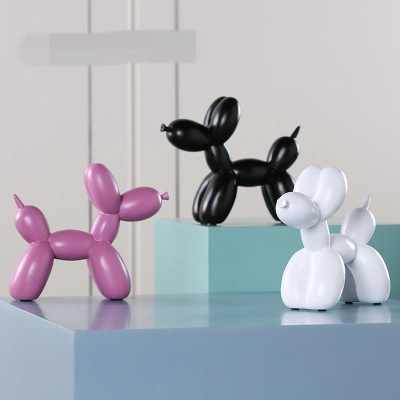
In the realm of modern interior design, figurines have emerged as significant decorative elements that add personality and character to living spaces. These small sculptures, whether crafted from ceramic, glass, metal, or even sustainable materials like reclaimed wood, serve not only as art pieces but also as conversation starters, reflecting the tastes, passions, and life stories of the homeowner. This article explores the multifaceted role of figurines in contemporary interior design, highlighting their aesthetic appeal, cultural significance, practical applications, and evolving trends.
A Spectrum of Styles: Categorizing Figurines for Every Taste
Figurines in interior design can be classified into various categories, each with its own ability to shape a room’s vibe. Abstract sculptures, with their fluid lines and bold forms, often become the cornerstone of minimalist or industrial spaces, adding a touch of avant-garde flair without overwhelming the simplicity of the design. Traditional collectibles, such as hand-painted porcelain figures or vintage bronze statues, carry a sense of history—they might be passed down through generations or sourced from antique markets, infusing a room with nostalgia and a sense of timelessness. Pop culture icons, from superhero miniatures to cartoon character figurines, bring a playful energy, making them perfect for game rooms, home offices, or even living spaces that embrace a more eclectic aesthetic. These pieces resonate deeply with younger audiences and enthusiasts, turning a generic room into a reflection of personal fandom.
Elevating Aesthetics: Crafting Focal Points and Layers
One of the primary functions of figurines in modern interiors is to enhance aesthetic appeal through strategic placement. A large, sculptural figurine—say, a sleek marble torso or a vibrant ceramic animal—perched on a mantelpiece or a console table can instantly become the focal point of a living room, drawing the eye and anchoring the space. Smaller figurines, when arranged thoughtfully on bookshelves, floating wall ledges, or even windowsills, add layers of interest. Mixing sizes and materials—like pairing a delicate glass figurine with a rugged metal one—creates visual contrast, preventing the decor from feeling flat. The colors of figurines also play a key role: a bright, bold piece can inject life into a neutral-toned room, while muted, earthy hues can complement a bohemian or Scandinavian design, ensuring harmony with the existing color palette.
Cultural Narratives: Figurines as Storytellers of Identity
Beyond aesthetics, figurines hold profound cultural significance, acting as tangible expressions of identity and heritage. For many homeowners, a figurine is more than an object—it’s a story. An intricately carved African fertility statue might honor a family’s roots, while a set of Japanese netsuke (small toggle figurines) could commemorate a life-changing trip to Kyoto. These pieces spark conversations, allowing guests to learn about the homeowner’s background, travels, or values. Even mass-produced figurines can carry personal meaning: a vintage Soviet-era porcelain doll might remind someone of their grandmother’s home, while a handcrafted Mexican alebrije (colorful wooden animal) could symbolize a commitment to supporting indigenous artisans. This emotional resonance transforms figurines from mere decor into cherished heirlooms, each with a narrative that enriches the home’s atmosphere.
Practicality Meets Design: Functional Figurines in Modern Homes
In practical terms, figurines often pull double duty, blending style with functionality. Many contemporary designs are engineered to serve a purpose: a ceramic figurine shaped like a small bowl can hold jewelry on a vanity, while a metal sculpture with built-in hooks might organize keys near the front door. Some figurines integrate technology subtly, such as LED-lit glass figures that cast soft glows in a bedroom, or wireless charging stations disguised as abstract sculptures on a desk. In open-concept homes, figurines also help define spaces—placing a cluster of figurines on a low shelf can visually separate a dining area from a living space, creating a sense of division without the need for walls. This versatility makes them invaluable in modern design, where maximizing both beauty and utility is key.
The Future of Figurines: Sustainability and Innovation
As we look to the future, the role of figurines in interior design continues to evolve, driven by shifting values and technological advancements. Sustainability is taking center stage: artisans are increasingly using recycled materials, such as reclaimed metal or upcycled glass, to craft unique pieces, appealing to eco-conscious homeowners. Ethical production—supporting fair trade practices and local craftspeople—is also gaining traction, making figurines not just decorative but also a way to align home decor with personal ethics. On the tech front, smart figurines are emerging: some respond to voice commands to change colors or play music, while others sync with home automation systems to adjust lighting based on time of day. These innovations blend tradition with modernity, ensuring that figurines remain relevant in a world where design is constantly reimagined.
Conclusion: Figurines as Timeless Tools of Self-Expression
In the end, figurines are far more than decorative accents—they are versatile tools that shape the look, feel, and narrative of a home. Whether they’re abstract, traditional, or tech-infused, they reflect the homeowner’s personality, honor cultural roots, and even solve practical design challenges. As trends come and go, figurines will continue to hold a vital place in modern interior design, offering endless opportunities to infuse living spaces with meaning, beauty, and creativity.
Table of Contents
- A Spectrum of Styles: Categorizing Figurines for Every Taste
- Elevating Aesthetics: Crafting Focal Points and Layers
- Cultural Narratives: Figurines as Storytellers of Identity
- Practicality Meets Design: Functional Figurines in Modern Homes
- The Future of Figurines: Sustainability and Innovation
- Conclusion: Figurines as Timeless Tools of Self-Expression