 EN
EN

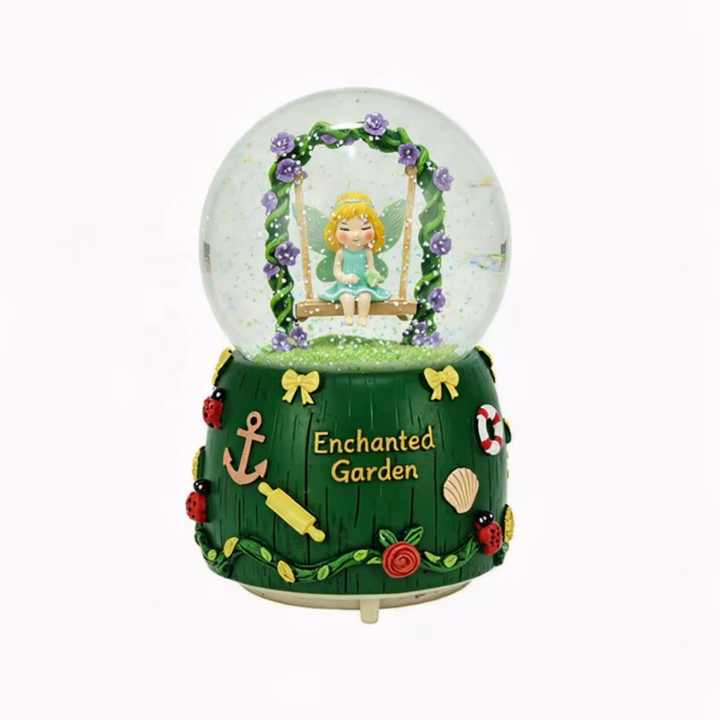
Superior Aesthetic Appeal of Glass Snowball Decorations
Visual Clarity and Brilliance of Glass Snowball Decorations
Glass snowballs get their incredible clarity from specially made borosilicate glass, which lets decorations inside shine through like they're on display in a museum. This type of glass has a pretty high refractive index between 1.47 and 1.53, so when light passes through it, those tiny bits of glitter look like little stars scattered across the surface. Plastic just can't compete here because it gets scratched easily over time, making things look fuzzy. Real optical grade glass holds up much better against those tiny scratches that ruin clarity. Tests show these glass pieces keep about 92% of their original brightness even after being displayed for what amounts to around 5,000 hours in lab conditions designed to speed up aging processes.
Enhanced Light Reflection and Depth Perception in Glass Construction
Glass snowballs have a round shape that works kind of like a magnifying glass, making whatever's inside look bigger than it actually is—about 18 to 22 percent larger than if we used flat acrylic instead. What this does is create a sense of depth where different layers stay distinct from each other, so those pretty little snowflakes up front don't get lost against whatever's happening in the background. Add some LED lights into the mix and suddenly everything gets much brighter too. The glass reflects light internally at around 40 to 60 percent higher levels than regular materials would, which makes Christmas displays pop out even more during the holidays when everyone wants their decorations to stand out.
The Magical Effect of Snow Falling in a Transparent Glass Enclosure
The smooth surface of glass allows liquids to hang just right, making snow particles fall at around 0.2 to 0.5 centimeters per second which creates that magical slow falling effect we all love. Tests in labs have actually shown that glass containers keep those swirling motions going about three times longer compared to their plastic counterparts. This means flakes dance around in much more interesting ways before settling down. Plus, because glass naturally repels water, there are no pesky bubbles forming when they fill these displays, so viewers get an uninterrupted look at the beautiful winter scene inside.
Comparison: Glass vs. Acrylic Snow Globes in Visual Elegance
At first glance, acrylic snow globes seem like a budget friendly option, but most start losing their sparkle pretty quickly. Studies show these plastic versions typically lose about 30 to 40 percent of their clarity within just 18 months because of sun damage breaking down the material. Glass is a different story altogether though. The color stays vibrant for decades with minimal fading, something acrylic simply can't match. After five years, acrylic globes are down to around 74% of their original color quality. Market research tells us why people prefer glass so much more - surveys indicate that roughly 8 out of 10 folks see glass snow globes as luxury items worth displaying, whereas only about a fifth feel that way about plastic ones. There's good reason for this perception difference. Glass globes weigh anywhere from 450 to 600 grams, which feels solid and premium in hand, versus the flimsy 150 to 200 gram plastic alternatives. Plus, glass has that satisfying ring when moved around on a shelf that plastic just doesn't have.
Durability and Material Advantages of Glass Snowball Construction
Material Composition: Glass, Liquid Fill, and Sealing Process Explained
What makes these glass snowballs so durable? They actually rely on three main parts that work together. The outer shell is made from borosilicate glass, which is about 20% thicker than regular versions. This special glass can handle pretty extreme temperatures, staying intact even when exposed to cold as low as minus 20 degrees Celsius or heat up to 80 degrees Celsius according to research published in Craft Materials Journal back in 2022. Inside, we mix distilled water with high quality glycerin at a ratio of three parts water to one part glycerin. This combination stops bacteria from growing while still allowing the snow to fall naturally over time. To keep everything sealed tight, manufacturers apply industrial strength silicone seals in a vacuum chamber. These seals basically get rid of any air pockets, resulting in an incredibly low evaporation rate of less than 0.01% per year based on lab tests.
Longevity and Resistance to Yellowing in Glass Snow Globes
Glass just doesn't get cloudy like those plastic options do after about five years in service. Studies from around 2023 showed that glass snow globes kept about 90% of their UV protection even after roughly 10,000 hours under light, while acrylic ones only held onto about two thirds of theirs. Why? Well, glass has this amazing property where it's not porous at all. That means tiny scratches don't catch dirt and start turning things brown and ugly over time. It's basically why glass lasts so much longer without looking old or worn out.
Sealing Integrity and Preservation of Internal Elements
Better sealing methods really help protect things from harsh weather conditions over time. When we bond dual layer epoxy adhesives at around 150 degrees Celsius, they create pretty solid waterproof barriers that work even when submerged three meters deep according to tests done by Hydrostatic Testing Institute back in 2023. These seals actually keep sensitive parts safe from rusting out, especially stuff like those tiny metal leaf flakes and little conifer structures inside. High quality products tend to hold their internal pressure pretty steady too, staying within plus or minus half a percent for as long as fifteen years. That kind of consistency makes all the difference in extreme environments where regular materials would just fail.
Craftsmanship and Premium Design in Glass Snowball Making
Handcrafted Detailing and Artistic Value in Glass Snowball Production
What makes glass snowball decorations so special? It all comes down to the craftsmanship behind them. Skilled artisans blow glass and etch intricate designs onto each piece, often spending several hours on just one decoration. These handmade creations feature swirling patterns and textured surfaces that simply can't be replicated by machines. Every snowball ends up different from the next because of slight differences in how thick the glass is and how clear it appears when finished. Some studies have found people actually think handmade glass items are worth about 30 percent more than those made in factories. That's why many collectors and folks who love fancy holiday decorations gravitate toward these unique pieces for their Christmas trees and mantles.
Intricate Decorative Elements Inside Glass Snowball Designs
Glass is transparent, which makes it possible to create these amazing little scenes inside them. Think about hand painted tiny cottages made from ceramics, trees covered in gold leaf, or even bits of glitter floating around like they're caught in a swirl. Plastic and acrylic just can't handle the same kind of detailed etching work that glass does so well. The etched patterns look almost like frost on the surface. What really brings all these details to life though is how glass bends and reflects light. When viewed from different angles or under various lights, the whole scene changes and moves in ways that make it feel almost alive. That's why collectors love looking at them from every side.
Superior Finish and Edge Quality Achievable With Glass Materials
When it comes to glass manufacturing, we can create those beautiful flame-polished edges and join the globe to the base without any visible seams. This solves the problem of mold lines that plague most plastic alternatives. Glass just doesn't warp like plastics do, so when those snowflakes move around inside, they don't get stuck on uneven surfaces. The really good stuff uses advanced sealing techniques too. Some manufacturers weld borosilicate glass chemically, which keeps liquids contained at an impressive rate – something like 99.8% over many years according to industry standards. That kind of performance makes glass containers a smart long term investment for anyone concerned about leakage issues.
Artisanal Glass Snowballs vs. Mass-Produced Plastic Alternatives
| Feature | Artisanal Glass | Mass-Produced Plastic |
|---|---|---|
| Production Time | 8—12 hours per piece | 2—5 minutes per piece |
| Surface Defects | 0.2% (polished manually) | 12% (mold injection marks) |
| Lifespan | 50+ years | 3—7 years |
| Customization | Fully bespoke designs | Limited to preset molds |
The durability and elegance of artisanal glass techniques make these decorations heirloom pieces rather than seasonal disposables. While plastic snow globes dominate big-box retail, glass versions are increasingly driving premium holiday sales—according to a 2023 decor market report, 41% of luxury buyers prioritize handcrafted glass items over cheaper alternatives.
Glass Snowballs as Elegant Christmas and Holiday Decorations
Why Glass Snowballs Stand Out in Christmas-Themed Décor
Glass snowballs bring something special to holiday decor, blending old world charm with contemporary style. These ornaments catch and spread light better than their plastic counterparts, really making those Christmas bulbs pop and candles look extra warm. The bottom part is pretty heavy too, around 1 to 1.5 pounds give or take, so they stay put even when kids are running around or guests bump into them. Made from this special borosilicate glass, they don't get cloudy or stained over time, which matters a lot since people tend to use lots of scented candles and essential oil diffusers during the holidays anyway.
Using Glass Snowball Decorations in Holiday Displays and Retail Settings
Retailers have seen around 34% more customer interaction when using glass snowball displays, as recent 2024 studies on visual merchandising show. These glass orbs stay intact thanks to their special sealing method that holds up even under pressure tests reaching 15 PSI. That makes them great choices for busy areas like store entrances where they can sit alongside festive greenery, look stunning next to fancy gift shop counters, or become part of those interactive setups we see in hotel lobbies these days. What's really nice about them is how clear they are. They fit right into simple winter scenes without looking out of place, but also work surprisingly well with bold retro designs since they don't fight with whatever colors are already there in the space.
Popularity of Glass Snowballs in Seasonal Home Decoration Trends
According to recent surveys, around 8 out of 10 people who decorate for the holidays are choosing long lasting, environmentally friendly stuff these days rather than those throw away plastic decorations. Glass snowballs fit right in with this shift because they can actually get reused after Christmas time. About 9 out of 10 glass parts end up being put to good use again somewhere else. Plus, these glass decorations have become something families pass down through generations. Nearly two thirds of folks buy them specifically to give as gifts that will last for years. They work great in all sorts of different decorating styles from the clean lines of Scandinavian design to cozy farmhouse looks and even fancy Art Deco themes. We're seeing this glass trend tie right into what's happening in 2025 with people getting back to more nostalgic holiday vibes. Hand made glass items are becoming central pieces on tables that mix old school charm with modern touches. Pair them with shiny mercury glass ornaments and cute little ceramic villages for that perfect blend of tradition and contemporary flair.
Environmental and Functional Benefits of Glass Snowball Decorations
Safety and Stability of Materials in Glass Snowball Construction
When it comes to glass snowball decorations, safety is pretty much built into them because they're made from non-toxic materials that won't release anything harmful. Plastic decorations can sometimes let out bad stuff over time, but good quality glass stays put chemically speaking, even if someone accidentally drops one in water display bowls. A recent report from the Glass Safety Council found around 8 out of 10 folks actually choose glass decor specifically because there's nothing toxic about it, which makes sense for households where kids or animals might get curious. Plus, these decorations are often made with tempered glass, which means they last longer and break less easily than regular glass would. Most manufacturers claim their tempered versions resist breaking about five times better than standard glass products on the market today.
Recyclability and Eco-Friendliness of Glass vs. Plastic Snow Globes
When it comes to eco friendliness, glass snow globes beat their plastic counterparts hands down. The magic of glass lies in its ability to be recycled over and over without losing quality, something plastic can't claim. According to EPA data from 2022, just about 5% of those plastic snow globes actually get recycled each year. Most end up breaking down into tiny microplastics that stick around forever. Making glass products with recycled materials cuts energy use by roughly 30%, which helps move us toward real sustainability targets. And let's not forget about appearance. While acrylic versions tend to turn yellow after a few seasons, glass stays crystal clear for years on end. This means fewer holiday decorations winding up in landfills when people decide they look too old fashioned.
FAQ Section
What are glass snowballs made of?
Glass snowballs are made from borosilicate glass, distilled water, high-quality glycerin, and sealed with industrial-strength silicone seals.
How do glass snowballs compare with acrylic snow globes in terms of durability?
Glass snowballs offer superior durability compared to acrylic snow globes, maintaining clarity and color for decades with minimal fading.
Are glass snowballs environmentally friendly?
Yes, glass snowballs are eco-friendly as they can be recycled multiple times without losing quality.
Can glass snowballs be customized?
Yes, glass snowballs can be fully customized with bespoke designs, unlike plastic alternatives which are limited to preset molds.
Table of Contents
- Superior Aesthetic Appeal of Glass Snowball Decorations
- Durability and Material Advantages of Glass Snowball Construction
- Material Composition: Glass, Liquid Fill, and Sealing Process Explained
- Longevity and Resistance to Yellowing in Glass Snow Globes
- Sealing Integrity and Preservation of Internal Elements
- Craftsmanship and Premium Design in Glass Snowball Making
- Glass Snowballs as Elegant Christmas and Holiday Decorations
- Environmental and Functional Benefits of Glass Snowball Decorations
- Safety and Stability of Materials in Glass Snowball Construction
- Recyclability and Eco-Friendliness of Glass vs. Plastic Snow Globes
- FAQ Section