 EN
EN

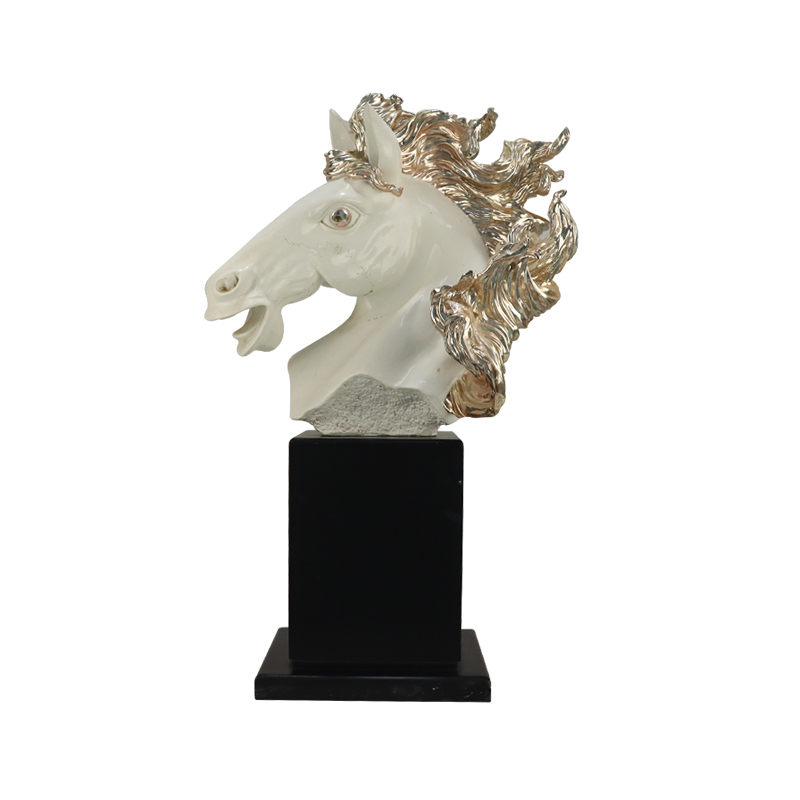
Matching Figurine Styles to Interior Design Aesthetics
Modern and minimalist figurines: clean lines for contemporary spaces
Modern spaces often feature sleek geometric designs made from materials such as shiny metals or smooth resins that bring a sense of clean simplicity. According to recent studies on interior design trends from 2023, around two thirds of designers are focusing on abstract shapes smaller than twelve inches when it comes to creating shelves and console units, which helps keep things looking tidy rather than messy. These kinds of decorative pieces work really well alongside single color palettes because their sharp angles complement the straight lines found in many contemporary homes with open floor plans.
Classic and traditional figurines: timeless elegance for vintage-inspired interiors
Marble busts carved by hand or bronze animal figures really add that touch of history to more traditional home environments. According to a survey from Houzz in 2022, about 42 percent of people who had things like crown molding or wainscoting in their homes ended up putting in some kind of old fashioned sculpture as part of their decoration scheme. When looking at options, go for items that have detailed surfaces. Think about those fancy ceramic vases covered in gold leaf or porcelain figures showing scenes from history. These work especially well when paired with luxurious materials such as velvet drapes or brocade upholstery on furniture.
Bohemian and organic forms: biophilic designs that soften modern decor
Clay sculptures made by hand and abstract pieces crafted from driftwood bring a nice dose of earthy imbalance into spaces that feel too structured. Studies looking at biophilic design have shown that those curvy, nature shaped things actually make rooms with concrete walls or steel surfaces feel less harsh somehow. Try putting a wooden owl someone carved by hand on one of those floating shelves everyone loves these days. Or gather together some ceramic seedpod sculptures and put them on the coffee table where people naturally look first when they walk in. These little touches create warm spots in otherwise cold environments.
Eclectic and folk art sculptures: cultural expression in personalized spaces
Balinese dancer statues and simple African mask copies bring real character to mixed style arrangements. When putting together different pieces, try combining things that contrast nicely, like a rough terracotta figure next to something smooth and modern looking. The mix of old world charm with today's designs works really well in home spaces right now. Interior designers are seeing more clients interested in bringing together elements from various cultures, creating unique spaces that tell stories while still feeling current and fresh.
Materials and Craftsmanship: How Finish Influences Decor Impact
Resin and ceramic figurines: versatile, durable, and design-forward
These days, resin and ceramic figurines are everywhere in home decor because they work so well with different styles. The light weight of resin makes it possible to create really detailed pieces, whether abstract shapes or realistic figures. Ceramic brings something different to the table with all those glaze options - matte finishes, shiny ones, even the cracked look that adds texture when touched. According to a recent survey from last year, around two thirds of interior designers actually go for these materials in busy spots such as living rooms and hallways. They mention things like how these materials don't fade away over time or chip easily compared to stuff made from wood or other natural materials. We're also seeing ceramic making a comeback in what people call biophilic design trends. The rougher, more natural feel of ceramic items helps bring out the connection between indoor spaces and nature outside.
Wooden sculptures: adding warmth and sustainable charm
Wooden figurines made from materials like walnut, teak, or bamboo bring a nice touch of warmth to otherwise simple interior designs. Compared to those cold metal looks, the natural patterns in wood create interesting visual elements. Take an oak owl sculpture for instance. Research published in Interior Materials Journal last year suggests something pretty surprising about these wooden pieces actually cutting down on how sterile a space feels by around 40 percent. That makes sense when we think about it. For people who care about sustainability, going with FSC certified wood makes good business sense too. The market for green decor has been growing at an impressive rate, hitting nearly 58% increase compared to previous years.
| Material | Aesthetic Role | Maintenance Consideration |
|---|---|---|
| Resin | Bold color retention | Dust with microfiber cloth |
| Ceramic | Texture differentiation | Avoid direct sunlight |
| Wood | Natural grain emphasis | Seasonal oil treatments |
Metal and glass figurines: reflective elegance with a modern edge
Brass, copper, and glass figurines really help spread light around dark corners. A study from 2022 found that putting reflective decorations near windows could cut down on the need for artificial lighting by about 22%. But there's definitely an art to choosing these items right. Take a chrome deer statue for instance it might look too big and bold in a tiny bedroom, yet would fit perfectly in a modern corporate lobby where it adds just the right amount of sleek style without going overboard.
Choosing the right material for longevity and style cohesion
Homes with kids or pets should probably go with resin or ceramic materials since these scored around 9.2 out of 10 for durability according to recent consumer testing. Bathrooms where moisture is always an issue work best with sealed ceramic surfaces instead of wood options. Wood tends to warp about 23 percent more often than ceramic does when exposed to humidity over time. When it comes to matching decor styles throughout the house, try pairing metal decorative items with whatever finish is already used on fixtures. Brushed nickel statues look really good next to kitchen faucets made from the same material, creating that subtle sense of continuity without anyone even realizing why it feels right.
Figurines as Storytelling Elements in Home Decor
Narrative Sets: Baby Monks, Animal Families, and Romantic Couples
When people arrange figurines in themed groups around their homes, they actually turn ordinary spaces into little stories waiting to be discovered. Three tiny baby monks sitting cross-legged on a bookshelf somehow makes the whole room feel calmer, doesn't it? And those animal families grouped together, especially elephants all tangled up in each other's trunks, just scream about sticking together no matter what. Then there are the romantic couples statues too. Some look super realistic, others are totally abstract shapes that still manage to say something about love. Putting these kinds of collections around the house adds layers of meaning that guests can't help but notice. People start talking about what they see, asking questions, sharing their own interpretations. That's why these displays work so well in common areas where folks gather.
Animal-Inspired Figurines: Connecting Nature, Emotion, and Symbolism
Animal sculptures bring together home decor and those deep symbolic meanings we all instinctively understand, plus they fit right into biophilic design ideas. Put an owl statue on someone's work desk and it quietly suggests intelligence and knowledge. Those dolphin statues people put in bathrooms? They just scream movement and fun, don't they? According to some research from the Biophilic Design Institute last year, around seven out of ten homeowners actually feel good when they see animal shapes in their homes. That makes sense why these kinds of decorations work so well in spaces meant for relaxation like bedrooms or cozy corners where people read books and unwind after a long day.
Personalized and Thematic Figurines (Travel, Spirituality, Family)
Customizable figurines let spaces reflect personal journeys. Miniature globe sculptures with engraved coordinates commemorate travels, while ancestral-inspired clay figures preserve heritage. Spiritual motifs like mandala-carved statues or yoga pose miniatures create mindful corners. On open shelving, group 3–5 related pieces at varying heights to craft cohesive visual narratives without clutter.
Creating Emotional Resonance Through Curated Figurine Displays
Strategic placement amplifies storytelling impact:
- Cluster ceramic travel souvenirs on entryway consoles to greet guests with personal history
- Position heirloom wedding couple figurines beside modern photos for generational dialogue
- Rotate seasonal pieces (spring blooms, winter animals) on mantels to reflect evolving narratives
This intentional curation transforms decorative objects into emotional landmarks, with 68% of interior designers noting clients now prioritize "meaningful decor" over purely aesthetic choices (Home Staging Report 2024).
Room-by-Room Guide to Styling Figurines Effectively
Living room: balancing focal points and conversation starters
Putting those 8 to 12 inch figurines on coffee tables or mantles can start conversations without making the room feel crowded. For bigger rooms, try putting down a 24 inch centerpiece sculpture and then adding smaller ones nearby on shelves around it. Interior designers often talk about creating displays with different levels by mixing things at various heights. Just put something tall and abstract next to shorter animal figures so people's eyes naturally move across the room. The trick is to create interest without overwhelming anyone who walks into the space.
Bedroom: serene and meaningful placements for calm aesthetics
Go with matte finish ceramics or wooden figurines in softer colors for nightstands and dresser tops. According to recent interior design research from 2023, about two thirds of people surveyed actually gravitate toward custom items instead of run of the mill decorations these days. Think anniversary dates carved into stone or little trinkets with embedded birthstones make great conversation starters. Place these pieces so they face the direction of the bed. When waking up each morning, having something meaningful within view can create that warm feeling right at the start of the day without being too over the top about it.
Small spaces and shelves: minimalist arrangements with maximum impact
Floating shelves work great in small apartment spaces for showing off rotating collections of three different figurines. Try mixing something with sharp edges like metal shapes, smooth stones, and colorful ceramics painted by hand. Most interior designers recommend keeping about 40% empty space around these groupings so the whole arrangement doesn't feel crowded. When working with slim console tables, arrange between four and six matching mini figures but place them at different distances from the wall. This creates visual interest without making the area look cluttered or overwhelming.
Entryways and dining areas: subtle storytelling with functional decor
Putting symbolic 18 inch figurines on entryway tables helps tell the story of what kind of place this is. Think about owls representing wisdom or tortoises standing for long life. When it comes to dining rooms, why settle for boring old centerpieces? Try something that actually gets used too. We recently saw a ceramic bread bowl with cute little animal handles that looked great but also did its job during meals. Most decorators these days seem to agree that if things can be moved around easily, they last longer in style. A recent poll showed something like 79 percent of professionals suggest going for stackable figurines so people can switch them out every month without buying new stuff all the time.
FAQ
What types of figurines work best in modern home decor?
Figurines with clean lines and geometric designs made from materials like shiny metals or smooth resins are ideal for modern spaces. These complement single color palettes and straight lines typical of contemporary homes.
How can traditional figurines enhance vintage-inspired interiors?
Classic materials such as marble or bronze add a touch of history to traditional environments. Detailed surfaces, gold leaf, or porcelain figures work well with luxurious materials like velvet or brocade.
What are some ideas for using figurines in small spaces?
In small spaces, use floating shelves to display figurine collections. Mix sharp-edged metal shapes with smooth stones and colorful ceramics, keeping about 40% empty space around groupings to avoid clutter.
Why are resin and ceramic materials popular for figurines?
Resin and ceramic figurines are versatile, durable, and adapt to various styles. They don't fade or chip easily and offer multiple finish options, making them popular choices for busy areas like living rooms and hallways.
Table of Contents
-
Matching Figurine Styles to Interior Design Aesthetics
- Modern and minimalist figurines: clean lines for contemporary spaces
- Classic and traditional figurines: timeless elegance for vintage-inspired interiors
- Bohemian and organic forms: biophilic designs that soften modern decor
- Eclectic and folk art sculptures: cultural expression in personalized spaces
- Materials and Craftsmanship: How Finish Influences Decor Impact
- Figurines as Storytelling Elements in Home Decor
- Room-by-Room Guide to Styling Figurines Effectively
- FAQ