 EN
EN

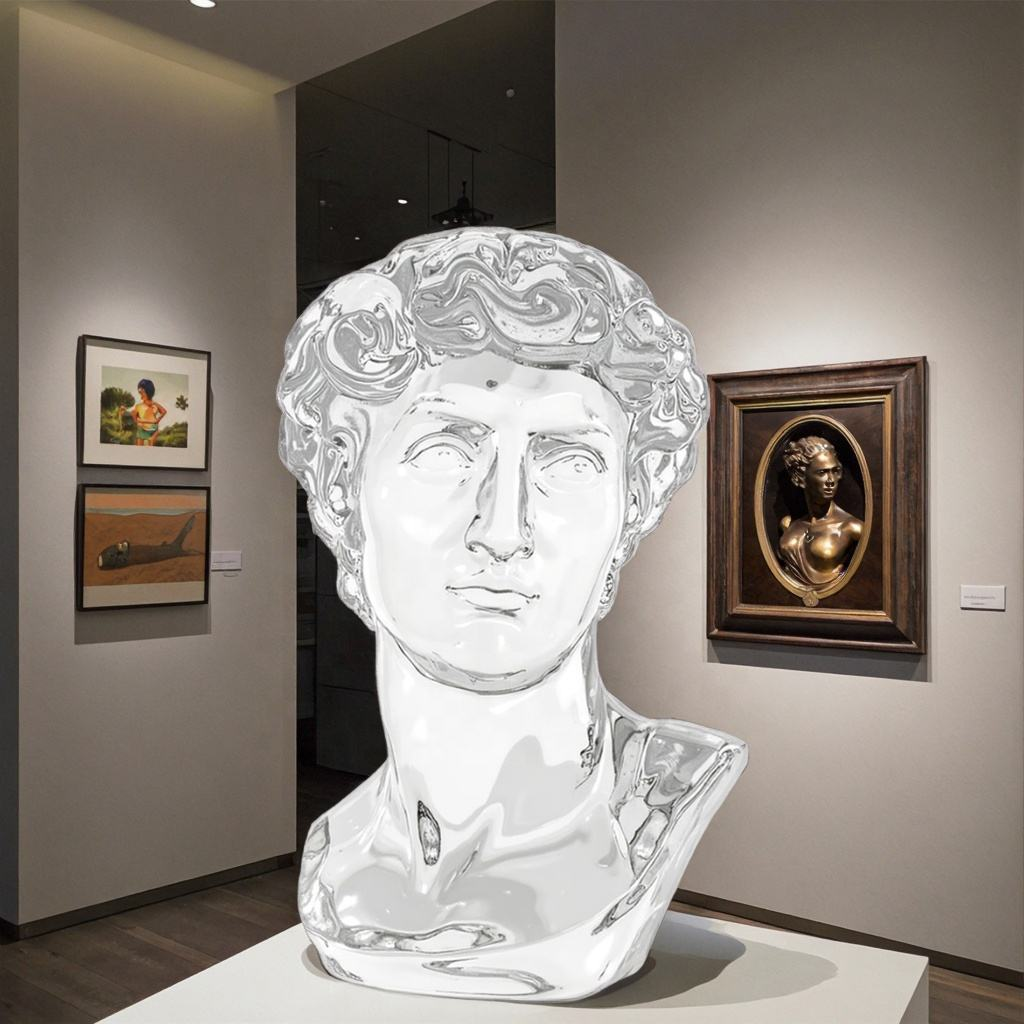
Model scene creation is both an art and a craft, a pursuit loved by hobbyists, designers, and creative professionals across the globe. Whether you’re building a miniature garden, a nostalgic streetscape, a festive holiday display, or a thematic diorama, figures stand as the heart of the scene—they infuse life, add narrative, and turn a simple assembly of elements into a vivid, immersive world. The key to elevating a model scene lies not just in adding figures, but in selecting, placing, and customizing them with intention, matching the scene’s theme, scale, and material aesthetic. With the right approach to craft figures, even the most basic model can transform into a striking piece of art that resonates with diverse cultural and creative tastes.
1. Choosing the Right Figures for Your Model Scene’s Theme
The first step to enhancing a model scene with figures is aligning the figurines with the scene’s core theme—this creates visual coherence and a clear narrative. For a whimsical garden model scene, animal-shaped resin figures such as solar-powered dog gnomes, frog figurines, or bird statues bring a playful, natural charm; for a festive Christmas or Halloween model, themed figures like snowmen, pumpkin lanterns, or elf sculptures set the perfect holiday tone; for a modern urban diorama, minimalist metal or ceramic human figurines capture the sleekness of city life. When selecting figures, consider cultural nuances too: European-style garden scenes pair well with classic gnome and fairy figures, while Japanese-inspired model spaces benefit from delicate, minimalist animal and character figurines. Themed figure selection ensures the model scene feels intentional, not disjointed, and speaks to the aesthetic preferences of different cultural audiences.
2. Leveraging Material Diversity to Boost Realism
Craft figures come in a rich array of materials, and each material brings a unique texture and visual effect that can amplify the realism of a model scene—this is where mastering material diversity becomes crucial. Resin figures are the most versatile choice: durable, customizable, and able to mimic intricate details, they are ideal for detailed animal statues, character bobbleheads, and solar-powered decorative figures, fitting both indoor and outdoor model scenes. Ceramic figures offer a smooth, elegant finish, perfect for delicate floral or small animal figurines in minimalist or vintage model scenes. Metal figures add a sturdy, industrial or classic touch, great for structural accents like tiny statue pen holders or decorative trophy-style figures in formal model displays. Glass figures, with their transparent, luminous quality, elevate festive model scenes such as Christmas snow globes, adding a magical, ethereal layer. By mixing and matching materials based on the scene’s mood—resin for detail, ceramic for elegance, metal for strength, glass for light—you create a multi-sensory visual experience that makes the model scene feel tangible and authentic.
3. Scaling and Placement: The Art of Proportion in Model Scenes
Even the most beautiful figures will fail to enhance a model scene if their scale and placement are off—proportion is the unsung hero of successful model scene design. Every model scene has a fixed scale, and figures must adhere to it to avoid a jarring, unrealistic effect: a large garden gnome will overwhelm a tiny miniature flower bed, while a too-small animal figure will get lost in a spacious outdoor model scene. Placement is equally important: use figures to guide the viewer’s eye, placing focal point figures (such as a central statue or a group of character bobbleheads) in key positions, and smaller accent figures (like tiny frog figurines or bird statues) in secondary areas to add depth. For example, in a garden model scene, a solar-powered dog figure can be the focal point near a miniature fountain, with small snail or rabbit figures scattered along garden paths to create a sense of movement and life. Balancing scale and placement ensures the model scene has a natural flow, drawing the viewer in and making them feel immersed in the tiny world you’ve created.
4. Customizing Figures for a Unique Model Scene Identity
Generic figures can make a model scene feel ordinary, but customized craft figures turn it into a one-of-a-kind creation—customization is the ultimate way to add personality and uniqueness to your model scene. Custom figures can be tailored to match specific color palettes, design details, or even cultural symbols, making the model scene stand out and align with personal or client preferences. Whether it’s a custom resin animal statue with a brand logo, a personalized bobblehead for a thematic diorama, or a solar-powered figure painted in traditional cultural hues, customization allows you to infuse the model scene with your own creative vision. For professional designers and businesses, custom figures also offer the opportunity to create model scenes that reflect brand identity or cultural themes, making them perfect for promotional displays, scenic spot decorations, or corporate gifts. With advanced craft customization techniques, every figure can be tailored to fit the model scene’s unique identity, ensuring it is memorable and distinctive.
In the end, figures are more than just add-ons to a model scene—they are the storytellers, the detail that turns a collection of miniatures into a living, breathing world. By choosing themed figures, leveraging material diversity, mastering scale and placement, and embracing customization, you can elevate any model scene to new heights, creating pieces that appeal to diverse cultural backgrounds and creative tastes. Whether you’re a hobbyist crafting for joy or a professional designing for clients, the right craft figures are the key to making your model scenes unforgettable, blending artistry and craftsmanship in every tiny detail.