 EN
EN

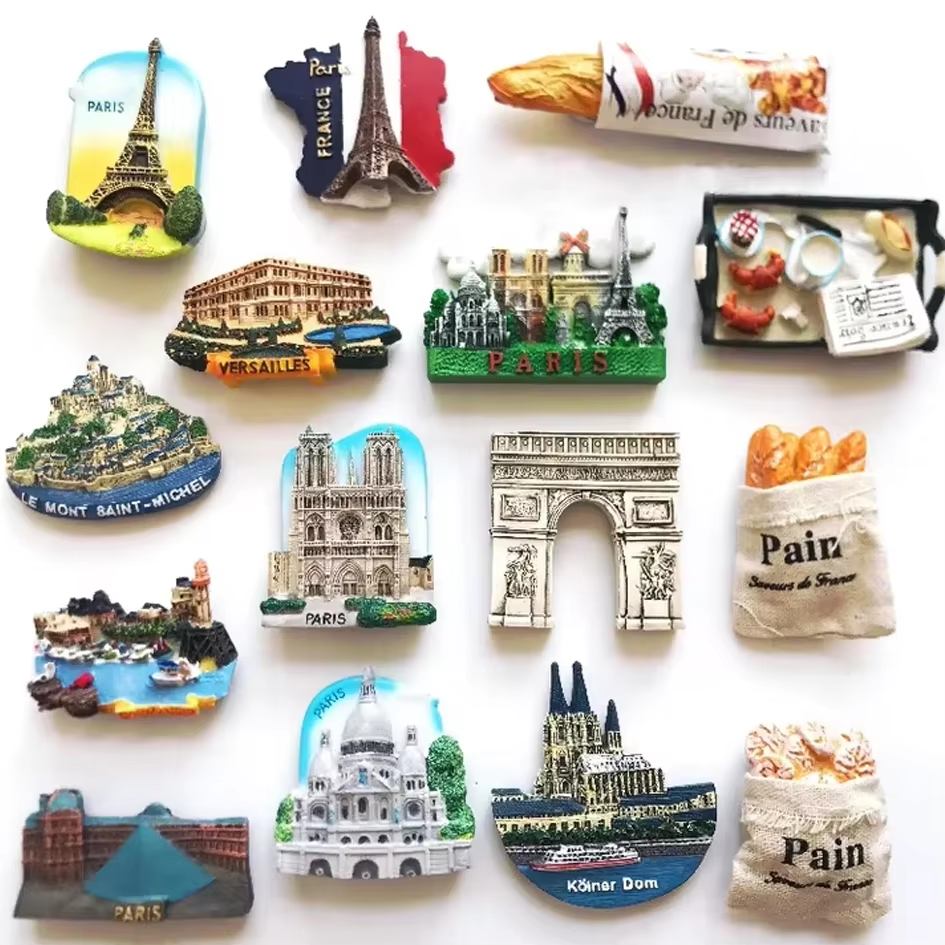
Core Magnetic Materials: The Foundation of Fridge Magnet Strength
Ferrite Magnets and Their Role in Everyday Fridge Magnets
Most fridge magnets in homes today are actually ceramic ferrite ones, making up around 78% of all production according to Ponemon's 2023 report. These magnets work so well because they're pretty cheap to make and stick firmly to fridge doors. Made from iron oxide compounds that have been sintered together, they generate enough pull power between 0.2 and 0.4 tesla to keep dozens of those sticky notes and recipes attached without scratching the fridge surface. What makes these magnets particularly good for kitchens isn't just their grip but also how they resist rusting even when exposed to all that moisture and temperature swings we experience daily in our cooking spaces.
Neodymium Magnets: Delivering High Strength in Compact Fridge Magnet Designs
For premium promotional fridge magnets requiring slim profiles, manufacturers use neodymium-iron-boron (NdFeB) alloys. A 3mm neodymium disc generates 6.5kg of pull force—12 stronger than equivalently sized ferrite versions based on magnetic material comparisons. This enables secure mounting of heavy metal ornaments or kitchen tools while maintaining sub-5mm thickness.
Flexible Magnetic Sheets and Rubber-Based Bonded Magnets for Versatile Applications
| Material Type | Thickness Range | Key Advantage |
|---|---|---|
| PVC Magnetic Sheets | 0.5—2.0mm | Printable surfaces for custom designs |
| Rubber-Bonded Magnets | 1.0—3.0mm | Conform to curved refrigerator panels |
| These bendable substrates allow die-cut fridge magnets shaped like food items or corporate logos, with adhesion strength up to 1.2kg/dm². |
Comparing Rare-Earth vs. Ceramic Ferrite Magnets in Performance and Cost for Fridge Use
While neodymium magnets deliver superior holding power, their 20% higher material costs and vulnerability to corrosion necessitate protective nickel coatings. Ferrite remains the economical choice for standard refrigerator applications, offering adequate strength at $0.03—$0.07 per unit in bulk production.
Structural Substrates: Supporting Durability and Design in Fridge Magnets
Plastic, Wood, and Metal Backings: Choosing Materials for Rigidity and Longevity
The structural backbone of fridge magnets relies on materials that balance durability with design versatility. Manufacturers typically use three substrate categories:
| Material | Durability Rating* | Weight (g/cm³) | Cost Index** | Aesthetic Flexibility |
|---|---|---|---|---|
| Plastic | 6/10 | 1.3 | $ | High (color/print options) |
| Wood | 8/10 | 0.7 | $$ | Moderate (natural grain patterns) |
| Metal | 9/10 | 7.8 | $$$ | Limited (requires coatings) |
Based on industrial abrasion testing (MJC Pack 2024)
Relative pricing scale: $ = lowest, $$$ = highest
Plastic substrates dominate 72% of household fridge magnets due to their moldability and cost efficiency. Wood backings appeal to artisanal markets, offering superior scratch resistance compared to plastic. Stainless steel variants, though heavier, provide unparalleled corrosion resistance for high-humidity kitchens.
Pre-Cut Shapes and Magnetic Tape Integration for Slim, Functional Fridge Magnets
Modern designs increasingly use magnetic tapes bonded to 0.5mm polymer films, enabling ultra-thin profiles (as slim as 1.2mm). This approach allows die-cut customization into complex shapes while maintaining 90%+ adhesion strength compared to traditional block magnets. Retail packaging studies show these space-efficient solutions reduce shipping costs by 18% through compact stacking.
Pressure-sensitive adhesive backings now account for 43% of commercial fridge magnet production, facilitating instant bonding without liquid adhesives. Designers prioritize materials that withstand 200+ attachment/detachment cycles while resisting common kitchen chemicals like vinegar and oils.
Adhesives and Bonding Techniques in Fridge Magnet Assembly
Common glue types for attaching decorative layers to magnetic bases
Most fridge magnets on the market today are made using thermoplastic adhesives because they set so fast. According to Material Innovation Report, around 72% of manufacturers rely on UV activated versions that stick things together in less than half a minute. When working with paper or vinyl surfaces, pressure sensitive acrylics work great since they grab hold instantly without leaving behind any sticky mess. Epoxy resins come into play when dealing with those tricky combinations of metal and wood where chemicals might be a problem. There are some important considerations though. Magnetic sheets actually expand about 0.3% for every 10 degree temperature increase, so matching this expansion rate matters a lot. And don't forget about shear strength either. Household magnets need at least 50 pounds per square inch to stay put on refrigerator doors through daily use.
Industrial and DIY bonding options: Double-sided tape, epoxy, and pressure-sensitive adhesives
Big manufacturing operations rely on automated dispensing equipment to get that 2mm level of accuracy when applying silicone modified adhesives, which gives them peel strength ratings around 8.5 Newtons per square centimeter. Hobbyists working on their own projects might want to consider those removable 3M double sided tapes instead of regular craft glue since they hold about 1.5 kilograms per square centimeter according to testing labs. The market has seen some interesting developments lately too. There are now these UV stable polyurethane films available that can survive over 500 thermal cycles without peeling apart, so they work great as fridge magnets meant for outdoor use. And if someone is working with epoxy resins, it's worth noting that roughening surfaces down to approximately 3.2 micrometers Ra value actually makes bonds last about 40 percent longer based on what Adhesion Science Guidelines tell us about proper preparation techniques.
Decorative Finishes: Enhancing the Visual Appeal of Fridge Magnets
Printed Films and Decorative Papers for Customizable, Eye-Catching Designs
Today's fridge magnets have evolved beyond simple household staples into tiny pieces of art thanks to printed films and fancy decorative papers. Digital printing now lets designers create super realistic food images, wild abstract patterns, or eye-catching brand logos perfect for companies looking to promote their products. The latest tech in dye sublimation printing makes colors blend smoothly together, picking up intricate details like watercolor brush strokes or shiny metal effects while still keeping that strong magnet hold. Manufacturers are seeing big changes too. Textured papers with hand marbled looks or foil embossing add interesting touch sensations. Some industry reports show about 40% more people want these textured options compared to just plain surfaces since around 2022 according to what I read somewhere called Industrial Coating Trends Report.
Lamination and Protective Coatings That Preserve Artwork on Fridge Magnets
Protective coatings combine durability with good looks, keeping designs safe from daily kitchen wear and tear. Clear coats that resist UV light stop colors from fading when exposed to sunlight, which means artwork lasts 3 to 5 years longer than if left unprotected. In busy spots where magnets get handled often, thin 0.3mm laminate films form scratch resistant layers without dulling colors. This matters a lot for special edition fridge magnets people want to keep looking fresh for years. A growing number of environmentally friendly companies have started making their own versions using plant based epoxy resins. These green alternatives work just as well as regular ones, something that makes sense given recent surveys showing over half of shoppers care about sustainability when buying home decor items.
Manufacturing and Sustainability: From Raw Materials to Eco-Friendly Fridge Magnets
Key Production Stages: Extrusion, Calendering, and Die-Cutting of Magnetic Materials
Making fridge magnets starts with extruding raw materials. Magnetic substances such as ceramic ferrite or even some recycled rare earth powders get heated up and pushed through dies to create flexible sheets. Next comes calendering, which fine tunes those sheets down to just right thicknesses usually somewhere between half a millimeter and three millimeters thick. This helps keep the magnetic power consistent across all production runs. When it comes to creating special shapes, most factories turn to die cutting techniques that can hit pretty tight tolerances around plus or minus 0.2 mm. The best part? This approach cuts down on wasted materials while still allowing for really detailed magnet designs. According to recent industry data from the 2024 Circular Materials Report, companies have managed to slash their rare earth consumption by about forty percent simply by improving how they handle the extrusion stage.
Quality Control in Layer Alignment and Adhesive Bonding During Mass Production
Automated optical scanners now verify layer alignment accuracy within 0.1 mm tolerances, while peel-test machines assess adhesive bond strength under simulated refrigerator conditions (-20°C to 50°C). This dual approach reduces defect rates to <0.8% in modern factories. Key quality metrics include:
- 15 N/cm² minimum bond strength for laminated decorative layers
- ±0.3° angular alignment for multi-layer fridge magnets
- Zero visible edge warping after 72-hour humidity tests
Sustainable Material Sourcing and Recyclability in Modern Fridge Magnet Manufacturing
A 2023 Magnet Sustainability Initiative revealed that 62% of manufacturers now use at least 30% post-industrial magnetic material in ferrite-based fridge magnets. Leading innovations include:
- Water-based adhesives replacing solvent glues (85% lower VOC emissions)
- Biodegradable PLA films for decorative layers (6-month decomposition vs. 100+ years for PVC)
- Closed-loop recycling systems recovering 92% of rare-earth content from production scrap
These advancements align with the EU’s 2025 Circular Economy Targets, which mandate 50% recyclability for all promotional products like fridge magnets.
FAQ Section
What are the primary materials used in fridge magnets?
The primary materials used in fridge magnets include ceramic ferrite, neodymium-iron-boron alloys, and rubber-based bonded magnets. These materials are chosen for their strength, durability, and resistance to corrosion.
How do neodymium magnets compare to ceramic ferrite magnets in terms of performance and cost?
Neodymium magnets offer superior holding power but are more expensive and vulnerable to corrosion compared to ceramic ferrite magnets, which provide adequate strength at a lower cost.
What are some common bonding techniques used in fridge magnet assembly?
Common bonding techniques for fridge magnet assembly include the use of thermoplastic adhesives, pressure-sensitive acrylics, epoxy resins, and silicone-modified adhesives. These adhesives offer fast-setting times, strong bonds, and resistance to environmental factors.
Are fridge magnets sustainable and eco-friendly?
Many manufacturers are adopting sustainable practices by using recycled materials, water-based adhesives, and biodegradable films. These advancements help reduce environmental impact and align with circular economy targets.
Table of Contents
-
Core Magnetic Materials: The Foundation of Fridge Magnet Strength
- Ferrite Magnets and Their Role in Everyday Fridge Magnets
- Neodymium Magnets: Delivering High Strength in Compact Fridge Magnet Designs
- Flexible Magnetic Sheets and Rubber-Based Bonded Magnets for Versatile Applications
- Comparing Rare-Earth vs. Ceramic Ferrite Magnets in Performance and Cost for Fridge Use
- Structural Substrates: Supporting Durability and Design in Fridge Magnets
- Adhesives and Bonding Techniques in Fridge Magnet Assembly
- Decorative Finishes: Enhancing the Visual Appeal of Fridge Magnets
- Manufacturing and Sustainability: From Raw Materials to Eco-Friendly Fridge Magnets
- FAQ Section