 EN
EN

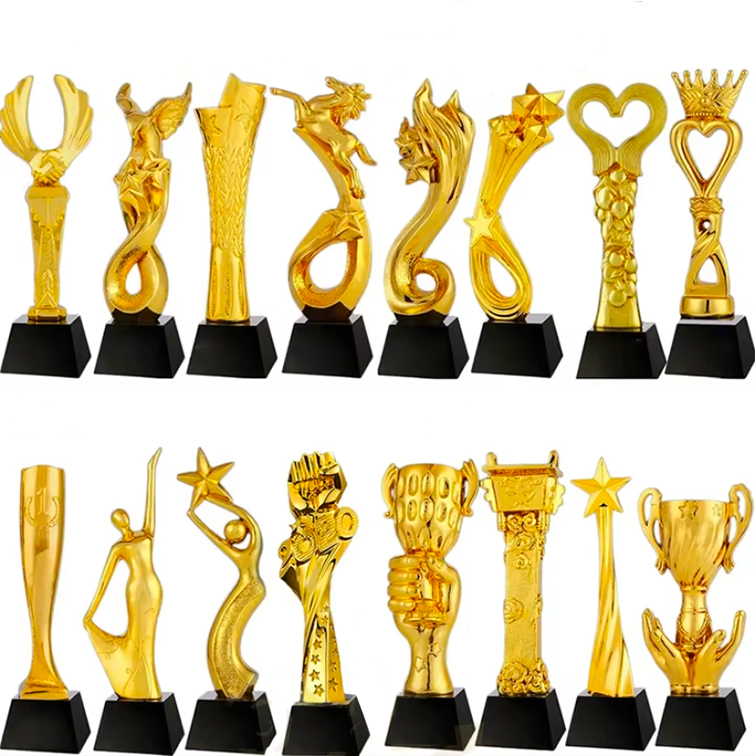
Iconic Sports Trophies and Their Cultural Significance (FIFA World Cup, Stanley Cup, Olympic Medals)
Trophies in sports such as the FIFA World Cup and Olympic medals mean much more than just shiny objects sitting on shelves. They carry history and represent accomplishments that last generations. The FIFA trophy got a new look in 1974 with those two people reaching upwards while holding our planet, which stands for how sports bring people together worldwide. Then there's the Stanley Cup, that distinctive barrel shape since way back in 1892, still considered sacred in hockey circles because every time it gets engraved with another winner's name, it adds to its legendary status. Looking at Olympic medals is interesting too. These went from simple olive branches worn around necks in ancient times to today's fancy metal discs etched with lasers. According to research published last year, most athletes actually feel something special when they see these awards. About three out of four competitors connect the design of trophies with deep feelings that stay with them long after the game ends.
The Role of Symbolism in Sports Trophy Design
When designing trophies, creators often rely on familiar symbols to get across certain messages. Eagles are pretty much always used for strength, laurel wreaths scream victory, and those modern geometric shapes? They usually stand for innovation. Take the Vince Lombardi Trophy for instance. Its football shape makes it instantly recognizable, and the fact that it's made from solid silver gives it that extra touch of class. What people might not realize is how these design decisions actually affect how someone feels about winning. A recent study published in the Sports Psychology Journal back in 2022 showed something interesting too. Trophies designed vertically rather than horizontally made winners feel about 34% more accomplished than their sideways counterparts. Pretty fascinating stuff when you think about it.
Case Study: Evolution of the UEFA Champions League Trophy
The Champions League trophy is a great example of how tradition meets innovation. Back in 1967, they created this beautiful Baroque-style cup with fancy handles that weighed around 11 kilograms. Fast forward to 2021, and the new version keeps that familiar shape we all know, but they swapped out heavy metals for something lighter called magnesium alloy. This change cut down the weight by almost a third! They also added tiny engravings of past tournament dates which gives it a nice touch of history. What's interesting is that even though so much has changed physically, most people still recognize it instantly. According to some recent polls, nearly nine out of ten fans can spot the trophy within just three seconds, proving that sometimes old designs stick with us no matter what materials are used underneath.
Balancing Tradition and Innovation: Minimalist and Modern Aesthetics in Sports Trophies
These days everyone seems obsessed with sleek designs, take the ATP Finals crystal trophy as an example. Its concave shape creates those amazing light shows through refraction patterns when placed under proper lighting. But wait, not everyone is on board with these changes. According to some numbers from the 2023 Global Sports Survey, around two thirds of old school fans actually dislike seeing traditional trophies get completely redesigned. The NBA has managed to strike a good balance though. Their championship trophy still keeps that classic basketball and net look most people recognize, yet they've added these fancy 3D printed titanium bases that allow for much finer details than ever before possible. Manufacturers are finding ways to respect history while working with modern tech stuff like laser sintering machines and all sorts of computer aided design programs that weren't available back in the day.
Entertainment Awards: Artistic Expression and Brand Identity in Trophy Design
Symbolic Shapes of Prestigious Awards (Oscars, Grammys, Emmys, Tonys)
Entertainment trophies have become iconic representations of their industries. Take the Oscar with its Art Deco knight figure, or the Grammy shaped like an old school gramophone these designs capture what each field stands for. The Tony Award features this cool spiral medallion from 1947 that somehow feels both classic and full of movement, just like live theater itself. And then there's the Emmy with wings attached to an atomic shape, which makes sense when thinking about TV tech advancements over time. According to some memorabilia market research, around 9 out of 10 people can recognize these award shapes at a glance. Makes sense really, since they've stuck around long enough to become part of our cultural vocabulary for excellence.
Craftsmanship and Aesthetic Appeal: The Oscar Statuette as a Benchmark
The Oscar statue is made of bronze and covered in 24 karat gold, and takes no fewer than 12 skilled workers going through 15 different steps to complete. Standing at just over a foot tall (about 13.5 inches) and weighing around 8.5 pounds, it manages to be both portable enough for winners to carry home and still make a real visual impact on stage. Most film awards across the industry follow similar designs, with this particular look showing up in roughly 80 to 85 percent of award ceremonies. These days, newer versions incorporate recycled materials without losing that signature hand-brushed appearance that has become so iconic. The fact that such traditional craftsmanship can evolve alongside modern environmental concerns speaks volumes about the enduring appeal of these statues.
Trends in Mixed-Media and Artistically Driven Trophy Designs
Contemporary awards blend materials like laser-etched crystal with chromium plating, sustainable resin infused with recycled film reels, and interactive glass panels that display winner highlights. The 2023 MTV Video Music Awards featured trophies with augmented reality triggers in their bases, demonstrating how mixed-media designs enhance audience engagement.
Designing for Cultural Resonance in Music and Film Recognition
These days, award organizations are weaving cultural elements into their trophy designs. Take for example the Latin Grammy with its pre-Columbian art styles, or the African Movie Academy Award featuring traditional Adinkra patterns from Ghana. Some studies on event psychology suggest this kind of symbolic design can boost emotional connection around 47 percent. What happens is these trophies become more than just metal objects they tell stories about the winner's background and creative spirit instead of just marking another industry accomplishment.
Corporate and Academic Trophies: Professionalism, Identity, and Innovation
Trophies used in both corporate and academic environments do more than just recognize achievements; they tell stories about what organizations stand for. Most businesses really focus on trophy design these days. Around 8 out of 10 award programs make sure their trophy shapes match company branding somehow. Think about it: wings on a trophy usually mean reaching for goals, shields often stand for team protection, while rocket-shaped awards are all about moving forward fast. When companies get custom engravings done, that's when the real connection happens. They can put important dates or even parts of their mission statement right onto the trophy itself. Some go for fancy acrylic displays, others prefer traditional metals or newer eco-friendly resins that look great but don't hurt the planet either.
Colleges and universities are stuck between wanting to keep traditions alive while also staying relevant today. Classic pyramid-shaped science trophies still show up at award ceremonies, but most schools these days go for something different. About two thirds of universities actually commission special trophy designs that mix traditional materials like marble with modern touches such as 3D printed parts shaped like DNA strands or tiny quantum structures. Looking at data from STEM competition events across the country last year, researchers found students got way more excited when they received personalized trophies rather than just standard plaques. The difference was around 25-30% boost in enthusiasm levels, which makes sense because people respond better to things that feel unique and meaningful to them personally.
Technology is changing things big time in these industries. According to that recent report from 2025 about customizable trophies, something like 41 percent of academic awards now come with QR codes attached. These little squares connect recipients to digital certificates or even augmented reality stuff when scanned. Interesting thing though, while all this high tech stuff is happening, there's also been a comeback for traditional craftsmanship. Take those fancy lead crystal medallions for doctorates that still go through no fewer than 18 different polishing steps before they're ready. People apparently still value the physical weight and shine of these old school awards, even as we march forward into our digital future.
Materials and Technology: Advancing Trophy Design Through Innovation
Common Materials in Modern Trophies: Crystal, Glass, Metal, and Sustainable Plastics
Trophy designers today are working with materials that manage to look impressive yet still work well in practice. For corporate events and art shows, crystal and glass continue to be go to options because they catch the light so nicely. Meanwhile, tech companies love using anodized aluminum for their awards since it gives off that modern, space age vibe everyone wants these days. Sustainability is becoming really important too, which explains why we're seeing more trophies made from recycled plastic and old wood that's been given new life. According to some recent surveys, about 4 out of 10 event coordinators are actively looking for green alternatives when picking out award materials nowadays.
| Material | Common Use Cases | Sustainability Factor |
|---|---|---|
| Crystal | Corporate, Academic Awards | Medium |
| Recycled Plastics | Eco-Conscious Events | High |
| Anodized Aluminum | Tech Industry Trophies | Medium |
Smart Trophies: Integrating LEDs, QR Codes, and Digital Features
Tech integration is redefining trophy functionality. LEDs embedded in acrylic bases create dynamic lighting effects, while QR codes link to personalized videos or achievement records. At a 2023 cybersecurity conference, trophies with RFID chips allowed winners to access exclusive content, demonstrating how digital layers enhance physical awards' memorability.
Sustainable and High-Tech Material Blends: Eco-Friendly Trends in Trophy Making
Manufacturers now combine biodegradable PLA plastics with solar-panel-infused resin bases, creating awards that generate minimal waste while maintaining visual impact. This shift aligns with global sustainability goals, particularly in academic and community recognition programs where environmental values are paramount.
Balancing Authenticity and Digital Integration in Physical Trophy Design
While 3D-printed metallic alloys enable intricate geometric patterns, designers preserve traditional craftsmanship through hand-polished finishes and weight distribution optimized for ceremonial handling. The most effective modern trophies merge technological innovation with tactile authenticity—a hybrid approach celebrated in both corporate and cultural award programs.
Customization and Cross-Industry Symbolism in Trophy Design
Custom Trophy Shapes Inspired by Mascots, Architecture, and Industry Icons
Modern trophy designers are transforming awards into three-dimensional storytelling devices by incorporating mascots, architectural elements, and industry-specific icons. Technology companies frequently commission circuit board-inspired bases, while academic institutions mold trophies resembling campus landmarks. These custom shapes visually reinforce organizational identity, creating instant recognition across industries.
The Power of Symbolism in Creating Emotionally Resonant Awards
Symbolic elements elevate trophies from mere objects to meaningful keepsakes. Winged designs suggest aspiration in corporate settings, while interlocking rings in teamwork awards visualize collaboration. Research indicates that symbolic awards foster deeper emotional connections, with recipients three times more likely to display them prominently compared to generic alternatives.
Case Study: Community Awards Featuring Local Cultural Motifs
The New Orleans Jazz Heritage Foundation's 2023 awards demonstrated effective cultural integration through trumpet-shaped trophies etched with second-line parade patterns. By incorporating local musical heritage into award design, organizers reported increased participant engagement and media coverage.
Personalized Experiences: The Rise of Emotionally Meaningful Trophy Design
Leading trophy creators now blend traditional craftsmanship with digital personalization, embedding QR codes linking to recipient achievement reels or 3D-printing replicas of meaningful objects. This evolution toward narrative-driven award design aligns with growing demand for trophies that memorialize individual journeys rather than standardized accomplishments.
Frequently Asked Questions (FAQ)
What is the significance of using symbols in trophy design?
Symbols in trophy design help convey messages related to achievements such as strength, victory, and innovation, and can influence how recipients feel about winning.
How have modern materials impacted trophy design?
Modern materials like sustainable plastics and lightweight alloys allow for environmentally friendly, durable, and aesthetically appealing designs, advancing traditional craftsmanship and integrating technology.
What role does technology play in contemporary trophy design?
Technology integrates features like QR codes and LEDs to enhance the functionality and memorability of awards by linking them to personalized digital content.
How do cultural elements influence award designs?
Cultural elements like motifs and historical patterns in award designs deepen emotional connections and tell stories beyond simple recognition of achievements.
Why is customization important in trophy designs today?
Customization allows trophies to reflect personal achievements and organizational identities, making them more meaningful and enhancing emotional resonance with recipients.
Table of Contents
- Iconic Sports Trophies and Their Cultural Significance (FIFA World Cup, Stanley Cup, Olympic Medals)
- The Role of Symbolism in Sports Trophy Design
- Case Study: Evolution of the UEFA Champions League Trophy
- Balancing Tradition and Innovation: Minimalist and Modern Aesthetics in Sports Trophies
- Entertainment Awards: Artistic Expression and Brand Identity in Trophy Design
- Corporate and Academic Trophies: Professionalism, Identity, and Innovation
-
Materials and Technology: Advancing Trophy Design Through Innovation
- Common Materials in Modern Trophies: Crystal, Glass, Metal, and Sustainable Plastics
- Smart Trophies: Integrating LEDs, QR Codes, and Digital Features
- Sustainable and High-Tech Material Blends: Eco-Friendly Trends in Trophy Making
- Balancing Authenticity and Digital Integration in Physical Trophy Design
- Customization and Cross-Industry Symbolism in Trophy Design
- Frequently Asked Questions (FAQ)